Anatomically Correct Heart: A Designer's Review for Personalized Gifts
As an experienced embroidery designer who spends countless hours testing digitized files before they hit the market, I recently had the opportunity to review a unique piece titled Anatomically Correct Heart. My goal was simple: determine if this design could elevate my personal gift shop and serve as a standout product for clients seeking something truly meaningful. After running several test stitches on various fabrics, I can confidently say that this is more than just a pretty image; it is a versatile tool for creating high-value handmade products.
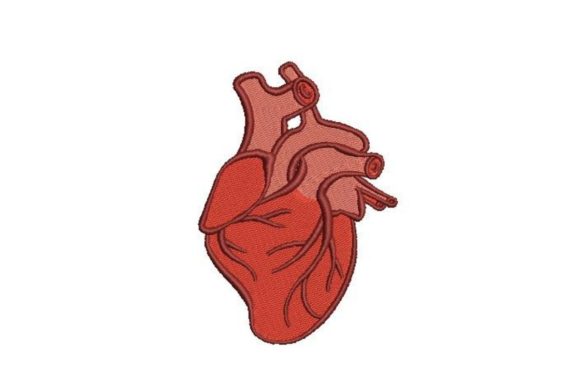
The first impression of Anatomically Correct Heart is one of sophisticated charm. It strikes a perfect balance between scientific accuracy and emotional warmth. Unlike generic heart shapes, this design features realistic anatomical details that add a layer of intrigue and elegance. For a shop owner looking to create unique items, this mood is gold. It feels modern yet classic, making it suitable for everything from a playful baby nursery item to a serious wedding keepsake. The level of detail suggests a professional touch, which is exactly what customers want when purchasing a personalized gift.
From Concept to Finished Product
Imagine a customer walking into your Etsy shop or browsing your Instagram feed. They are looking for a gift that speaks to the heart without being cliché. This is where Anatomically Correct Heart shines. I tested this design on a variety of potential products to see how it translates in the real world. The results were promising across the board.
For baby embroidery, the design works beautifully on a soft cotton blanket or a cozy swaddle. The anatomical details provide a gentle educational element that parents love, while the overall shape remains soft enough for a nursery setting. I also visualized this design on a kitchen towel. There is something wonderfully ironic and sweet about stitching a detailed heart onto a cloth used for drying dishes. It transforms a utilitarian item into a conversation starter.
- Pillow Covers: The design adds a focal point to a throw pillow, making it an ideal centerpiece for a living room or a thoughtful housewarming present.
- Wedding Keepsakes: Couples often appreciate unique touches. Stitching this onto a guest book cover or a set of aprons for the couple's new home creates a memorable custom embroidery experience.
- Tote Bags and Aprons: For crafters selling at local fairs, this design offers a way to stand out. It appeals to medical professionals, science teachers, and anyone with a sense of humor about life and love.
The versatility of this embroidery file means you can target multiple demographics. Whether you are a small business owner focusing on wellness products or a digital seller offering mockups for print-on-demand services, Anatomically Correct Heart fits seamlessly into your catalog. It elevates the perceived value of your finished product because it requires skill to execute well, signaling quality to the buyer.
Strategic Placement and Fabric Considerations
While this design is highly effective, every experienced embroiderer knows that success lies in knowing where to apply it and where to proceed with caution. Anatomically Correct Heart contains fine lines and specific curves that represent the chambers and vessels of the heart. These details require careful consideration regarding fabric choice and placement.
If you are planning to use this design on embroidered towels, be mindful of the pile thickness. While the description notes it is easy to embroider, thick terry cloth can sometimes swallow up finer details. A lighter weight cotton or a smooth linen blend might yield sharper results. Similarly, for blanket embroidery, ensure the backing stabilizer is robust enough to prevent the dense stitching from puckering the fabric.
There are specific scenarios where you should exercise extra care. Delicate details can get lost on textured fabrics like heavy waffle weaves or chunky knits. If you are working with stretchy baby clothes, such as a onesie made of jersey knit, you must use a high-quality cut-away stabilizer to maintain the integrity of the stitch density. Without proper support, the intricate lines of the heart may distort after washing.
Curved surfaces, such as the front of a baseball cap or a rounded tote bag, can also challenge the layout of this design. You may need to adjust the hoop size or reposition the design slightly to ensure the anatomical features remain visible and symmetrical. Additionally, dark fabrics require a thread color strategy that ensures contrast. Light-colored threads on dark backgrounds can sometimes look muddy if the underlay isn't sufficient, so always test your thread colors against the final fabric shade.
Boosting Giftability and Customer Trust
In the world of online sales, especially for Etsy sellers and handmade product creators, the photograph is everything. A well-executed Anatomically Correct Heart design provides excellent subject matter for product photography. The unique nature of the motif invites close-up shots that highlight the texture of the stitches and the precision of the digitization. This visual clarity builds trust with potential buyers.
When a customer sees a high-quality, professionally stitched design on a custom order preview, they feel confident in their purchase. It signals that you take pride in your work. This emotional connection is crucial for selling personalized gifts. People aren't just buying a towel or a pillow; they are buying a sentiment. The anatomical realism of the heart adds a layer of depth that says, "This is a gift for someone who understands the complexity of love." It resonates deeply with recipients, whether it is a nurse receiving a gift for their uniform or a couple celebrating their anniversary.
For those creating wedding gifts or family keepsakes, the design acts as a bridge between tradition and modernity. It is not overly sentimental in a cheesy way, but rather grounded in reality. This makes it a safer bet for diverse tastes while still feeling special. When you list this as a small shop product, emphasizing the professional finish and the unique theme can significantly increase buyer engagement.
Practical Notes for the Embroidery Artist
Before you start mass-producing items with Anatomically Correct Heart, there are several technical steps you must follow to ensure commercial success. First and foremost, always test on scrap fabric. Do not skip this step, even if the design claims to be easy to embroider. Different machines and thread brands can behave differently, and you need to verify the stitch density yourself.
Check your hoop size to ensure the entire design fits comfortably without cutting off any critical details. Review the digitization to confirm that the underlay stitches are sufficient to hold the top stitches in place, especially for the finer lines of the anatomy. Using the proper stabilizer is non-negotiable; a lightweight tear-away might not be enough for the structural integrity required by this design.
Compare light and dark fabric mockups side-by-side to ensure the color palette works for both options. After stitching, inspect the small details closely. Are the tiny lines clear? Is the shape true to the original concept? Finally, confirm your commercial licensing terms before selling finished products. Understanding the rights associated with your digital embroidery file protects your business and ensures you are operating ethically.
By treating Anatomically Correct Heart with the respect it deserves through careful testing and strategic application, you can create a line of products that stands out in a crowded marketplace. It is a design that combines artistry with functionality, perfect for adding a professional touch to your creative projects. Whether you are crafting a custom medical uniform accessory or a heartfelt wellness gift, this design has the potential to become a signature piece in your collection.