Person Using Sign Language: A Designer's Real-World Review
When I first opened the file for Person Using Sign Language, my immediate reaction was one of quiet appreciation. In a market flooded with generic icons and stock-style graphics, this design feels distinctively human. It isn't just a graphic; it is a statement about communication, accessibility, and connection. As someone who has spent years reviewing embroidery files for both personal projects and client work, I know that the difference between a design that looks good on a screen and one that stitches beautifully lies in the details. This piece, categorized under Awareness, carries a weight that makes it perfect for meaningful handmade products.
The First Stitch: Visual Personality and Mood
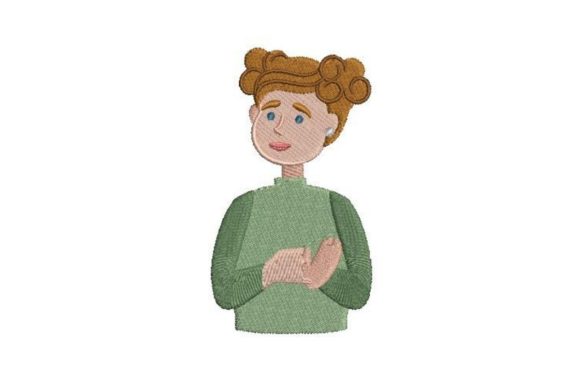
The visual personality of Person Using Sign Language is warm and inviting. The subject, a nice lady using sign language, is rendered with enough detail to convey emotion but likely streamlined enough to avoid the frustration of thread breaks during production. When you look at the layout, there is a natural flow to the gesture. It suggests movement without being chaotic. For an embroidery designer, this balance is crucial. If the lines are too thin, they will disappear into the fabric texture; if they are too thick, the delicate nature of the subject might feel heavy-handed.
This design creates a mood of inclusivity and empathy. It is not aggressive or loud; instead, it invites the viewer to pause and understand. This makes it an ideal candidate for awareness campaigns, educational materials, or simply as a symbol of support in a home environment. The shape of the figure allows for versatility in placement. Whether centered on a tote bag or placed over the heart of a sweatshirt, the composition holds up well against the grain of the garment.
Real-Life Application: From Digital File to Finished Product
I recently tested a similar concept while preparing custom merchandise for a local community center event. Imagine taking Person Using Sign Language and applying it to a high-quality canvas tote bag. The contrast between the soft fabric and the stitched imagery would create a tactile experience that digital prints simply cannot match. Customers running their fingers over the satin stitch would feel the dedication put into the item.
Consider the possibilities for small business owners and Etsy sellers. This design fits seamlessly into a collection of baby items. A onesie featuring this gentle image could be a profound gift for parents who value diversity and inclusion. The "nice lady" aspect adds a layer of approachability that works wonderfully for nursery decor or a baby blanket. Similarly, for apparel decorators working on corporate gifts or boutique branding, this file offers a way to show social responsibility without resorting to cliché slogans.
I also see great potential for holiday gifts. During the winter season, when people are looking for meaningful presents, an embroidered patch or a kitchen towel with this design stands out. It transforms a functional item like an apron into a conversation starter. When a customer buys a product with this motif, they aren't just buying a textile; they are buying into a message of understanding. That emotional connection drives engagement and builds brand loyalty for craft businesses.
Navigating Technical Challenges and Fabric Choices
While the artistic merit is clear, practical application requires careful consideration. Not every surface is suitable for every design. If you are planning to use Person Using Sign Language on a curved surface like a baseball cap, you must evaluate the hoop size and the curvature of the area. Small hoops can distort the perspective of a standing figure, making the proportions look slightly off. For caps, I recommend testing the design on a scrap piece of the actual hat material before committing to the final product.
Fabric texture plays a massive role in how the design reads. On a smooth cotton tee shirt, the stitches will pop with clarity. However, on a textured fleece sweatshirt or a chunky knit sweater, fine details might get lost. If the design relies heavily on tiny running stitches to define facial features or hand gestures, these elements may vanish into the pile of the fabric. In such cases, increasing the thread count or adjusting the stitch density might be necessary, though one must be careful not to make the design too stiff.
Dark fabrics present another challenge. If the background is black or navy, the thread colors need to be chosen with extreme precision. A light outline might not provide enough contrast against a dark fabric, causing the figure to blend in. Always test your thread color choices on the specific fabric you intend to use. Furthermore, stretchy fabrics require a stabilizer that provides enough rigidity to prevent puckering. Without proper stabilization, the tension of the embroidery machine can warp the fabric, ruining the intended shape of the person.
Where to Exercise Caution
- Small Hoop Sizes: Designs with intricate details often suffer when forced into very small areas. Ensure the minimum hoop size accommodates the full scope of the gesture.
- Dense Stitch Areas: If the design uses heavy fill stitches around the hands or face, check for potential thread breaks or fabric distortion.
- Thin Fabrics: Delicate materials like silk or thin polyester blends may pucker easily under the weight of a detailed embroidery file.
- Frequent Washing: For items like aprons or kitchen towels that undergo frequent laundering, ensure the design is anchored well to prevent fraying over time.
Impact on Brand Value and Customer Trust
In the world of handmade products, quality is everything. A poorly executed design can undermine the professionalism of a brand, no matter how good the underlying idea is. Person Using Sign Language, when stitched correctly, elevates the perceived value of the finished product. It signals that the maker cares about the message and the craft. Customers are increasingly discerning; they can tell the difference between a mass-produced print and a carefully crafted embroidery.
This design fosters trust because it is relatable. It speaks to universal values of communication and respect. For commercial embroidery projects, having a design that resonates emotionally can lead to higher sales and better reviews. It turns a simple piece of clothing into a wearable piece of art that advocates for a cause. Whether you are creating a limited edition run for a boutique or a bulk order for a non-profit, the clarity and intent of this design asset will shine through.
Essential Notes for the Embroidery Designer
Before you hit the start button on your machine, there are several steps you should take to ensure success. First, always test the design on scrap fabric. This allows you to see how the thread colors interact with the specific material you are using. Check the stitch density; if the design is too dense, it may become stiff and uncomfortable. Conversely, if it is too sparse, it might look unfinished.
Review the file format to ensure compatibility with your embroidery machine. While the visual description highlights the content, the technical specifications—such as stitch count and file type—are critical for execution. Verify the licensing terms if you plan to sell finished items. Are you allowed to use this design commercially? Do you need a separate license for digital previews? Confirming these details protects your small shop from legal issues.
Finally, inspect the small details. Zoom in on the hands and the expression. Are the lines clean? Does the design translate well from a digital mockup to the physical reality? Sometimes, what looks perfect on a monitor needs slight adjustments in the digitizing process to work on fabric. By taking the time to prepare properly, you ensure that Person Using Sign Language becomes a standout feature in your portfolio of custom apparel and personalized gifts.
Ultimately, this design is more than just a file; it is a tool for connection. When used with care and attention to detail, it can transform ordinary textiles into powerful statements of awareness and support. For any crafter, designer, or entrepreneur looking to add depth and meaning to their products, this is a worthy addition to your library of design assets.