Person with Dwarfism Embroidery Design Review
When I first opened the Person with Dwarfism design file, my immediate reaction was one of quiet appreciation. As someone who has spent years stitching for clients and running a small handmade shop, I know that not every digital file translates well to thread. Some designs look great on a screen but fall apart under the needle. This particular piece, categorized under Awareness, feels different. It carries a specific mood—respectful, human, and grounded. Before I committed it to a final project, I had to ask myself: does this design have the weight and clarity needed for a real-world application?
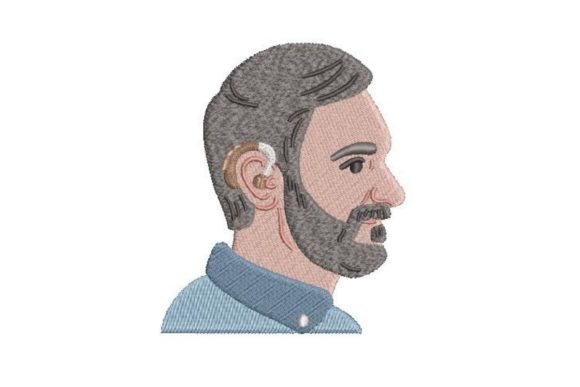
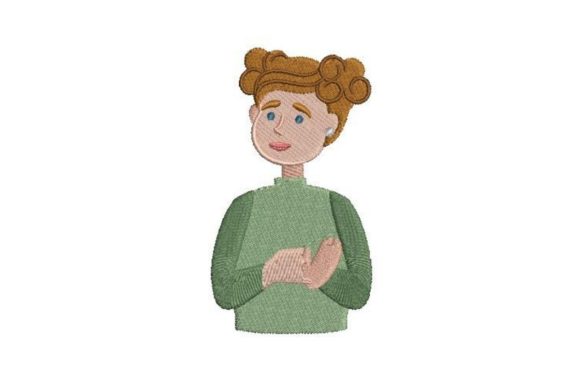
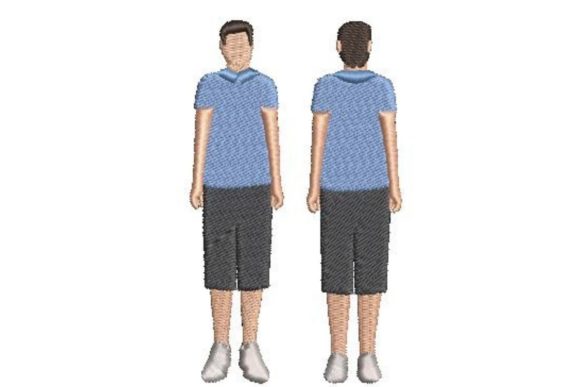
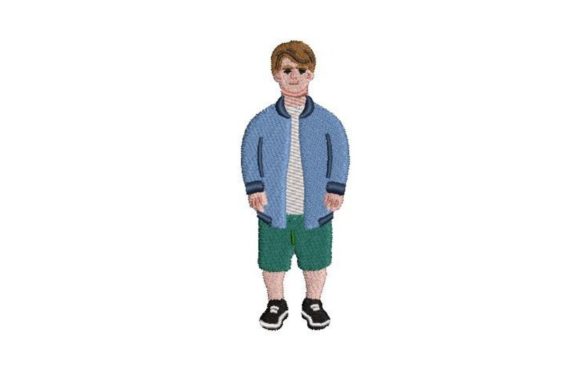
The visual personality of the design is its strongest asset. It avoids caricature and instead focuses on a dignified representation. For an embroidery designer, this distinction is everything. The layout suggests a central focal point that works beautifully on a chest pocket or a tote bag center. However, the details are subtle enough that they require careful execution. If you are planning to use this for custom apparel or a personalized gift, the success of the final product will depend entirely on your stitch choices and fabric selection.
Real-World Application: From Screen to Stitch
Let me walk you through a scenario I recently encountered. A client approached me wanting to create a limited run of eco-friendly tote bags for a local advocacy group. They wanted something that sparked conversation without being loud. I pulled up the Person with Dwarfism design as a candidate. On the computer mockup, it looked clean. But when I loaded it into my machine, the reality set in.
The design relies heavily on how the stitch density interacts with the fabric. For a canvas tote, which is a sturdy material, the design holds up remarkably well. The satin stitch used for outlines creates a sharp edge that defines the figure against the textured background. However, if I were to move this to a thin cotton tee or a stretchy sweatshirt, I would need to be extremely cautious. The design demands a stable base. Without proper stabilizer support, the delicate lines could pucker, ruining the professional look of the finished product.
I also considered using this for a baby item, like a onesie or a nursery pillow cover. In that context, the softness of the design is appealing. It fits the narrative of inclusivity early on. Yet, for a baby garment, the size matters immensely. If the design is too large relative to the garment, it overwhelms the tiny canvas. If it is too small, the intricate details might get lost in the stitching process. For these smaller items, I recommend testing the scale carefully before committing to a full production run.
Where to Use (and Where to Pause)
While this design is versatile, it is not a universal fit for every surface. There are specific scenarios where Person with Dwarfism might struggle to deliver the quality your customers expect. One major area to watch is curved surfaces like caps or hats. While many modern machines handle curves well, a design with fine details can distort if the hoop tension isn't perfect. The curvature can stretch the fabric, causing the running stitch elements to break or the fill stitch areas to bunch up.
Similarly, dark fabrics present a challenge. Unless you plan to use a high-density underlay or a contrasting thread color, the design might lose its definition. Light threads on dark backgrounds often require multiple passes, which increases the risk of puckering. If you are selling commercial embroidery products, consistency is key. You do not want one batch looking vibrant and the next looking muddy. Always test your thread colors against your specific fabric choice.
Another critical consideration is the washing frequency. For items like kitchen towels or aprons that undergo frequent laundering, the durability of the stitches is paramount. Designs with very fine, isolated lines can sometimes snag or fray over time if the stitch length is not optimized. For these durable goods, I suggest reinforcing the design slightly or ensuring the stitch density is robust enough to withstand the wear and tear of daily use.
Impact on Brand and Customer Trust
In the world of Etsy sellers and small shop products, the quality of your imagery speaks volumes about your brand. When a customer sees a finished product with crisp, clear stitching, they trust the maker. They assume care and precision went into the creation. Conversely, a design that looks sloppy or distorted can make even the most heartfelt message feel cheap.
The Person with Dwarfism design is powerful because it promotes awareness and inclusion. When executed correctly, it elevates the perceived value of the item. It transforms a simple tote bag or a holiday gift into a statement piece. Customers buying from boutique brands are often looking for meaning behind their purchases. A well-stitched design that honors the subject matter builds a deeper connection. It shows that you, as the creator, understand the importance of the message and have taken the time to ensure it is presented respectfully.
However, this power comes with responsibility. If the design fails to stitch cleanly, the message is lost. The focus shifts from the person depicted to the flaws in the stitching. This is why I always advise designers to treat every file as a potential flagship product. Even if you are just making a few items for a craft fair, the presentation must match the professionalism of a larger commercial operation.
Practical Designer Notes for Success
Before you start stitching, there are several technical steps you must take to ensure the best outcome. First and foremost, test the design on scrap fabric. Do not skip this step. Different fabrics react differently to the same design parameters. A fabric that works perfectly for a tote bag design might fail miserably on a sweatshirt embroidery project due to differences in weave and stretch.
Review the stitch density closely. Look at the fill areas to see if they are too dense, which can cause the fabric to bunch, or too sparse, which can leave gaps. Adjusting the density in your digitizing software can sometimes save a design that is otherwise perfect. Also, check the small details. Are there any tiny corners or thin lines that might not catch? If so, consider simplifying those areas or adjusting the stitch direction.
Don't forget to inspect the design in black and white. Sometimes color contrast masks issues that become obvious when the image is desaturated. This helps you visualize how the light and dark threads will interact. Ensure you are using the right hoop size for the project; a design that requires a 4x4 hoop will behave differently than one meant for a 5x7 frame.
Finally, confirm your licensing terms. Whether you are creating digital embroidery files for sale or selling physical handmade products, you must understand the rights associated with the embroidery file. Some licenses allow for personal use only, while others permit commercial sales. Ignoring these terms can lead to legal trouble down the line.
Ultimately, the Person with Dwarfism design is a tool for storytelling. It offers a chance to celebrate diversity and raise awareness through the art of machine embroidery design. By paying attention to the nuances of fabric, stitch type, and finishing, you can turn this digital asset into a meaningful, high-quality piece of art that resonates with your audience. Whether it ends up on a holiday gift, a patch, or a piece of custom apparel, the result will speak volumes about your skill and your values.