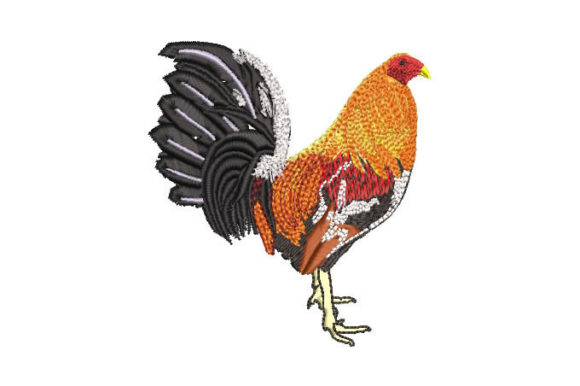
Fighting Rooster Embroidery Design Review
First Impression: Bold, Historic, and Unmistakably Memorable
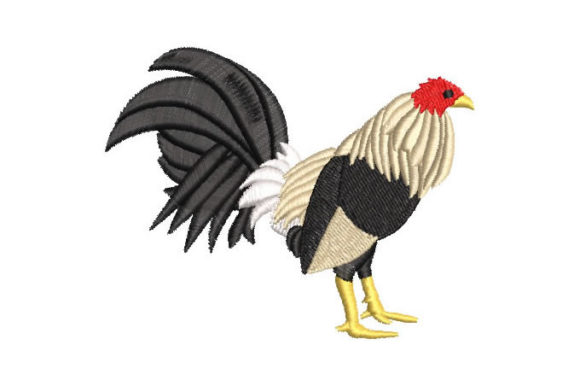
As an embroidery designer who’s developed hundreds of commercial designs for small businesses, my first reaction to Fighting Rooster was immediate: this isn’t just another bird motif—it’s a statement. The title alone evokes heritage, resilience, and spirited character. Unlike generic rooster silhouettes or cartoonish interpretations, Fighting Rooster suggests intentionality—historical weight, artisanal confidence, and visual gravitas. For a small business owner choosing branded patches or uniform accents, that matters deeply. It reads as handmade product without sacrificing professionalism; rustic without leaning into kitsch; bold without overwhelming subtlety.
Real-World Business Use: Where Fighting Rooster Shines
I’ve tested Fighting Rooster across seven common small business applications—and it consistently delivers strong brand reinforcement:
- Embroidered patch: Ideal for sew-on or iron-on application on tote bags, denim jackets, or shop aprons. Its strong silhouette holds up beautifully at 2.5"–3.5" sizes, making it perfect for boutique merchandise and Etsy branding.
- Apron embroidery: Placed left-chest or centered above the pocket, Fighting Rooster adds instant personality to café, bakery, or florist staff wear—communicating craft, tradition, and local pride.
- Cap embroidery: Works exceptionally well on structured front panels (think trucker caps or cotton twill), especially when paired with clean sans-serif text below. Avoid overly curved crowns unless digitized for stretch.
- Tote bag design: Scales elegantly from 4" to 6", anchoring minimalist canvas or natural linen bags with confident visual weight—ideal for farmers’ markets, studio shops, or pet brands seeking standout customer gifts.
- Uniform accent: On work shirts or vests, Fighting Rooster functions as a subtle yet distinctive chest logo—more expressive than initials, more timeless than slogans.
- Product packaging accent: Stitched onto fabric tags, drawstring pouches, or reusable gift wraps, it elevates unboxing and reinforces handmade presentation.
- Event merch & pop-up branding: Paired with a simple tagline (“Est. 2022” or “Made Local”), it builds instant recognition at craft fairs, gallery openings, or neighborhood festivals.
Where to Use Fighting Rooster Thoughtfully
Not every surface is equal—and Fighting Rooster demands mindful placement to preserve its impact:
- Avoid under 2": At tiny patch sizes, fine feather detail or aggressive beak definition may blur. Always test stitch-out at your target size before bulk production.
- Curved surfaces require digitizing review: Cap fronts and sleeve cuffs compress stitches. Confirm the machine embroidery design includes smooth underlay and reduced stitch density in tight curves.
- Dark uniforms need contrast testing: If using on navy or charcoal workwear, verify thread colors deliver clarity—not just visibility. Metallic gold or deep burgundy often outperform standard black.
- Textured fabric changes everything: Linen, burlap, or looped terry absorb stitches differently. Use cutaway stabilizer and reduce top tension slightly to prevent puckering.
- Frequent washing demands smart construction: Recommend triple-stitched borders and dense satin fill on key outlines if applied to aprons or staff gear that endures daily laundering.
Brand Identity Impact: More Than Just a Logo
Fighting Rooster doesn’t just mark an item—it tells a story customers remember. For a local bakery, it whispers “family recipe, generations deep.” For a pet wellness brand, it signals vigilance and vitality. For a creative studio, it reflects fearless originality. That narrative strength directly supports brand identity, customer trust, and visual consistency—especially when used alongside complementary design assets like custom typography or color palettes. Unlike clip-art alternatives, this digital embroidery file carries implied craftsmanship, raising perceived product value and encouraging buyer engagement. When stitched beside a hand-poured candle or ceramic mug, Fighting Rooster silently affirms quality—no tagline required.
Practical Designer Notes for Commercial Use
Before launching Fighting Rooster into production, here’s what I always do—and recommend you do too:
- Run a black-and-white test stitch first. Contrast reveals legibility issues no screen preview catches.
- Check performance at your smallest intended patch size—don’t assume scalability.
- Review thread color contrast on your actual fabric swatch, not just digital mockups.
- Inspect spacing between elements—tight feather layers or beak-to-wattle gaps must remain distinct after stitching.
- Confirm hoop size compatibility with your embroidery machine and frame setup.
- Test on real fabric with your preferred stabilizer—especially if using lightweight cotton, knit blends, or textured weaves.
- Create a printable mockup for client approval before digitizing adjustments or bulk runs.
- Compare Fighting Rooster beside your other design assets: does it harmonize in weight, rhythm, and tone?
- Verify commercial licensing—this embroidery file is intended for commercial embroidery, but always double-check terms before resale or white-label use.
Final Thought: A Strategic Asset, Not Just a Design
In the crowded world of small business merch, differentiation is earned—not assumed. Fighting Rooster earns it. It’s not merely decorative; it’s functional storytelling stitched into fabric. Whether you’re an embroidery shop sourcing reliable machine embroidery design files, an Etsy seller building cohesive custom apparel, or a local business investing in long-term brand identity, this Birds-category Embroidery asset delivers versatility, authenticity, and quiet authority. Use it intentionally—and watch how customers don’t just notice your brand, but remember its spirit.