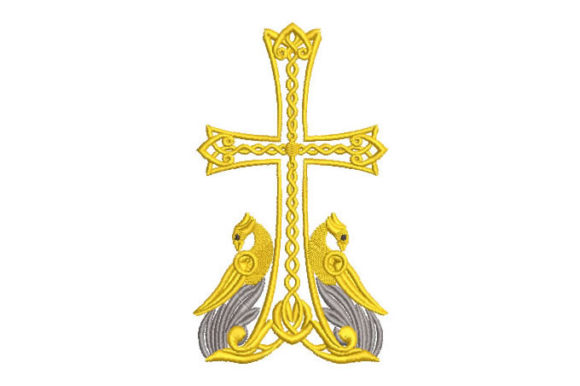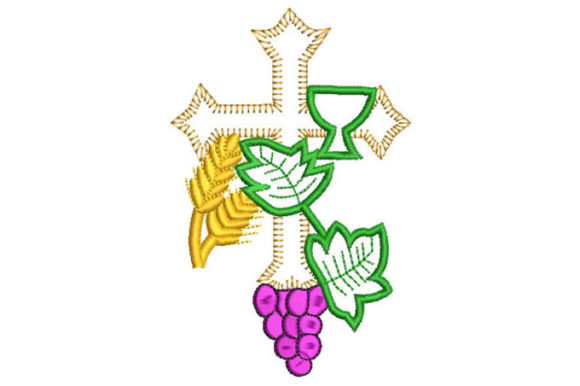
Cross Adorned with Plants
A Practical Review for Small Business Merch & Branded Patches
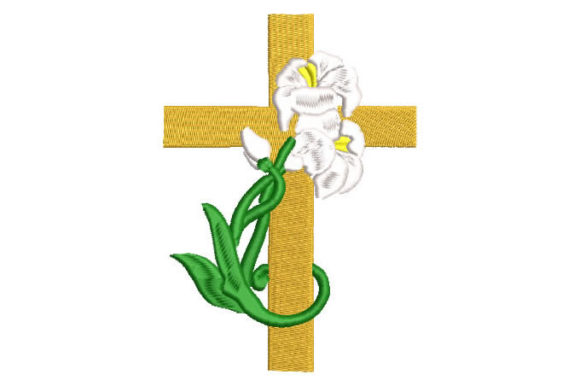
As an embroidery designer who’s digitized and stitched thousands of commercial projects—from café aprons to boutique tote bags—I approached Cross Adorned with Plants with both creative curiosity and business pragmatism. The title alone signals intention: not just sacred symbolism, but organic warmth, approachability, and visual harmony. “Youthful and stunningly beautiful” isn’t marketing fluff—it’s a design cue. This isn’t a rigid, formal ecclesiastical cross; it’s a living motif—softened by botanical elements, balanced in proportion, and built for versatility across small business merch.
First Impression: Friendly, Handmade, and Professionally Refined
Cross Adorned with Plants reads as elegant yet grounded—ideal for brands that value authenticity over austerity. Think florists launching seasonal gift wraps, bakeries embroidering linen napkins, or creative studios branding artisanal notebooks. It avoids the stiff formality of traditional religious embroidery while retaining reverence through craftsmanship. That duality makes it unusually flexible: it can anchor a church volunteer’s uniform *and* elevate a handmade soap brand’s packaging tag—without feeling out of place.
Where It Shines in Real-World Business Use
This machine embroidery design thrives where brand personality meets practicality:
- Embroidered patches: Works beautifully as a 2.5"–3.5" woven or chenille-style patch—ideal for jackets, tote bags, or staff lanyards. The plant motifs add subtle texture without overwhelming stitch density.
- Apron embroidery: Center-chest placement on cotton or canvas aprons reads cleanly at 3.75". The balanced vertical rhythm complements garment drape.
- Cap embroidery: Best suited for structured front panels (not curved bill edges). At 2.25", the cross remains legible, and trailing vines soften rigidity—perfect for a local coffee shop’s barista caps.
- Tote bag design: Scales well to 4"–5" on natural canvas or linen. The organic flow feels intentional—not like a sticker slapped on fabric.
- Custom apparel accents: Excellent as a sleeve detail on work shirts or a back-neck accent on boutique tees. Its symmetry ensures clean registration during hooping.
- Product packaging & customer gifts: Embroidered onto fabric tags, drawstring pouches, or gift wrap bands, it adds tactile premiumness—especially for handmade product lines.
Use With Care: Key Production Considerations
Even beautiful designs demand technical honesty. Here’s where Cross Adorned with Plants needs thoughtful execution:
- Small patch sizes (<2"): Fine vine details may blur or lose definition. Always test at intended size—don’t assume scalability.
- Curved surfaces (e.g., cap fronts): Requires precise digitizing tension control. If your embroidery file lacks underlay adjustments for stretch, expect distortion.
- Dark uniforms or textured fabric: High stitch density in foliage areas can sink into fleece or heavy twill. Use medium-weight cutaway stabilizer—and confirm thread color contrast (e.g., ecru on navy reads warmer than white).
- Frequent washing: Tight botanical outlines hold up well—but avoid ultra-fine stem lines if the finished product will endure industrial laundering.
Brand Identity Impact: More Than Just Aesthetic
For small businesses, every embroidered element shapes perception. Cross Adorned with Plants quietly communicates care, intentionality, and rooted values—without overt dogma. That subtlety builds trust: a pet wellness brand using it on bandanas signals compassion; a sustainable florist on reusable market bags implies growth and stewardship. It strengthens visual consistency when paired with complementary design assets—like hand-lettered typography or earth-tone palettes—while avoiding cliché.
Crucially, it elevates perceived product value. Customers recognize hand-finished quality in balanced spacing, smooth satin-stitch transitions, and intentional negative space. That translates directly to higher willingness-to-pay—especially on Etsy or local marketplaces where handmade presentation drives engagement.
Essential Designer Notes Before You Stitch
Before committing to production—or listing this digital embroidery file for resale—follow these non-negotiable steps:
- Test the embroidery file in black and white first—assess clarity of stems, leaf separation, and cross arm definition without color distraction.
- Check performance at your smallest intended patch size (e.g., 1.75") on actual fabric—not just software preview.
- Review thread color contrast across your target materials: light thread on dark fabric requires denser stitching; dark thread on light may need underlay reinforcement.
- Inspect spacing between botanical elements—tight gaps risk thread nesting or skipped stitches on low-tension machines.
- Confirm hoop size compatibility with your commercial embroidery machine. Oversized files strain older multi-needle setups.
- Always test on real fabric with your chosen stabilizer—fabric texture dramatically affects how vines and cross edges render.
- Create a printable mockup for client approval. Visual alignment prevents costly rework.
- Compare Cross Adorned with Plants beside your other design assets—does it harmonize with logos, fonts, and brand guidelines?
- Verify commercial licensing terms. Not all religion-themed embroidery files permit resale on branded merchandise—check before scaling.
Remember: Cross Adorned with Plants isn’t just a machine embroidery design—it’s a quiet ambassador for your brand’s voice. When executed with attention to fabric, scale, and context, it transforms small business merch from functional to meaningful. Whether you’re stitching for a neighborhood bakery or curating faith-aligned boutique goods, this embroidery file offers rare balance: reverence with radiance, tradition with tenderness, and craft with commercial readiness.