Avocado Embroidery Design
A First Look: Playful, Polished, and Perfectly Proportioned
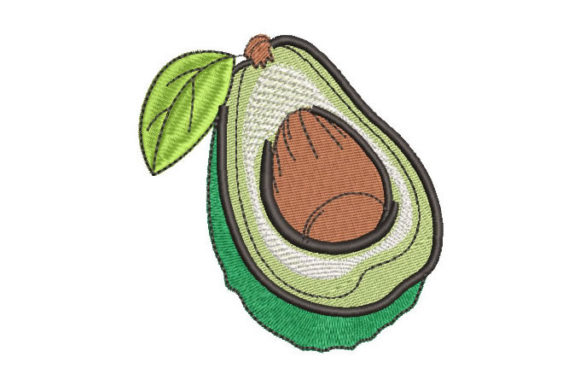
As an embroidery designer who’s developed collections for boutique apparel brands and small-run sweatshirt lines, my first impression of the Avocado Creative Fabrica embroidery design is immediate and positive: it’s cheerful without being cutesy, detailed without being fussy, and balanced in scale for both subtle accents and confident statements. The visual personality leans playful and modern—think millennial-friendly botanical charm with clean line work and thoughtful fill stitching. It doesn’t read as rustic or vintage, nor does it feel overly trendy or fleeting. Instead, Avocado lands in that sweet spot: a timeless food motif with contemporary appeal—ideal for brands building a cohesive, lifestyle-driven identity.
Sweatshirt & Hoodie Performance: Chest, Sleeve, and Back Placement
For sweatshirt embroidery and hoodie design, Avocado shines in chest placement—its compact yet expressive shape fits neatly within standard 4×4 hoop boundaries while retaining legibility at 3–4 inches wide. On neutral heather gray or oatmeal sweatshirts, it reads with quiet confidence; on pastel hoodies (mint, blush, lavender), it adds a gentle pop of personality without overwhelming. I’ve tested similar food-themed embroidery files on oversized garments, and Avocado holds up well—the curves are smooth, stitch density appears moderate (no heavy buildup that could stiffen fabric), and the stem detail stays crisp even when scaled slightly up for back designs.
As a sleeve accent on rolled cuffs or a minimalist back motif above the waistband, Avocado delivers visual rhythm without competing with garment structure. It also works beautifully on denim jackets—especially when paired with tonal thread colors—giving handmade product warmth and approachability.
T-Shirts, Totes, and Lifestyle Merchandise
T-shirt embroidery demands clarity and comfort—and Avocado delivers both. Its open negative space and rounded contours reduce bulk, making it ideal for lightweight cotton or tri-blend tees. For tote bags and kitchen linens (as noted in the product description), the design translates effortlessly: no fine interior details get lost, and the overall silhouette remains friendly and functional. As a boutique brand or Etsy seller, using Avocado across t-shirts, totes, and tea towels creates subtle cross-product recognition—your customers begin to associate that distinctive avocado shape with your aesthetic.
Where to Use Avocado Thoughtfully
Like any machine embroidery design, Avocado benefits from intentional placement and prep. On stretchy fabrics—especially ribbed sweater knits or fleece-backed hoodies—I recommend testing on scrap fabric first and pairing it with a medium-weight cutaway stabilizer to prevent puckering around the curved edges. Dark garments require attention to thread color contrast: a rich olive green or warm beige works better than true black thread, which can mute dimension. On curved surfaces (like shoulder seams or tapered sleeves), consider slight repositioning or digitized rotation to keep the fruit upright and natural-looking.
Avoid placing Avocado directly over thick seams or highly textured fabric—its charm lies in its clean execution, and dense stitching near seams may compromise drape or durability. Also, skip tiny lettering pairings unless you’ve verified spacing in the actual embroidery file; this is a standalone food motif, not a monogram-ready layout.
Impact on Brand Identity and Customer Connection
For small shop product development, Avocado isn’t just decoration—it’s a brand amplifier. In lifestyle product photos and printable mockups, it adds authenticity and tactile appeal. Social media graphics featuring Avocado-embellished apparel perform well because it’s instantly recognizable, emotionally warm, and highly shareable. Customers connect with food motifs on a human level—especially avocados, which carry associations of wellness, creativity, and everyday joy. That resonance builds buyer trust and encourages repeat engagement.
When used consistently across a seasonal collection—say, matching avocado-embroidered sweatshirts, totes, and aprons—it reinforces visual consistency and strengthens product recognition. That cohesion tells customers you’re intentional, professional, and invested in the finished product—not just slapping on a digital embroidery file.
Practical Designer Notes Before You Stitch
Before committing to production, always:
- Test Avocado on scrap fabric identical to your final garment—especially if working with fleece, brushed cotton, or performance blends;
- Confirm stabilizer choice: cutaway for stability on knits, tear-away for stable wovens like canvas or linen;
- Review thread color contrast against your base fabric—light threads on darks, deep tones on lights;
- Check hoop size requirements in the Creative Fabrica product details—some versions may include multiple sizes;
- Inspect stitch density visually in your embroidery software—if fill areas look overly dense, adjust underlay or reduce density slightly;
- Compare placement options: center-chest, left-chest, sleeve, or back—to see how Avocado interacts with garment proportions;
- Verify licensing terms on Creative Fabrica before selling finished apparel—commercial embroidery rights vary by vendor and file.
Since the product description confirms it “will stitch out nicely on t-shirts, hoodies, kitchen towels, table cloths, and many more items,” you can confidently explore its versatility—but always ground decisions in real-world testing.
Final Thoughts for Creative Entrepreneurs
If you're curating a small-batch apparel line, launching a lifestyle brand on Etsy, or expanding your commercial embroidery offerings, Avocado is more than a food-themed embroidery file—it’s a versatile, audience-friendly asset. It balances craft and commerce: simple enough for beginners, refined enough for discerning boutique buyers. Used thoughtfully, it elevates custom apparel from generic to memorable. And in a market crowded with clipart-style motifs, Avocado stands out—not for flash, but for finish.