Addiction Recovery: A Holiday Embroidery Review
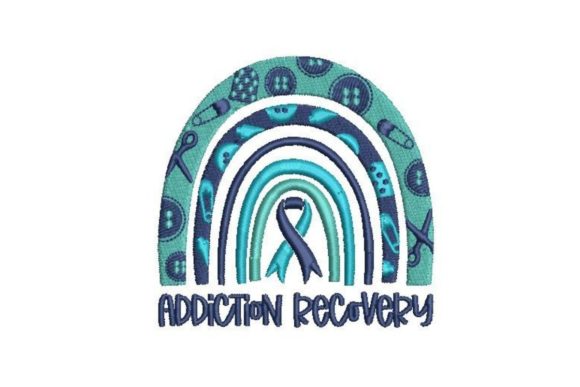
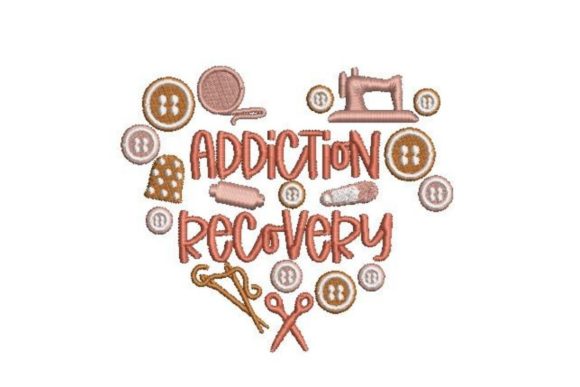
As an experienced embroidery designer, I spend my time analyzing digital files not just for their stitch quality, but for their emotional resonance. When I first encountered the Addiction Recovery machine embroidery design, I immediately saw its potential beyond a simple statement piece. It is described as a lovely design showing a passion for sewing and embroidering, making it a perfect gift for a seamstress. However, in the world of seasonal product creation, we must look deeper. Can this file truly serve as a centerpiece for holiday collections? Is it versatile enough for the diverse range of items that drive sales during our busiest months?
The answer lies in how well the design translates from a screen to a finished product. For Etsy sellers, small shop owners, and crafters planning limited-time drops, the Addiction Recovery design offers a unique blend of sentiment and utility. It speaks to themes of healing, renewal, and personal strength, which are particularly poignant during the winter holidays when many people reflect on the past year and look forward to a fresh start.
Seasonal Mood and Emotional Tone
When evaluating any embroidery file for a seasonal collection, the first impression is everything. Does it feel festive? Cozy? Spiritual? The Addiction Recovery design carries a tone that is both elegant and deeply personal. While it does not rely on traditional Christmas or Halloween imagery, its message of recovery aligns perfectly with the reflective nature of the holiday season. It evokes a sense of hope and resilience, making it ideal for customers who want to give gifts that carry meaning rather than just decoration.
This design fits well into a modern, minimalist aesthetic that has become increasingly popular among handmade gift makers. It is not overly playful or rustic; instead, it strikes a balance between spiritual depth and contemporary style. This versatility allows it to stand out in crowded marketplaces like Etsy, where buyers are often searching for personalized gifts that show they truly understand the recipient's journey. Whether used on a kitchen towel or a tote bag, the design conveys a premium feel that elevates the perceived value of the finished product.
Real-World Application for Holiday Collections
Imagine building a holiday shop collection around this theme. The potential applications for Addiction Recovery are vast. For apparel decorators, placing this design on a sweatshirt creates a powerful statement piece. The soft fabric of a hoodie provides an excellent canvas for the intricate details, allowing the message to be felt as much as seen. Similarly, using it on a tote bag design transforms a practical item into a daily reminder of strength for the user.
In the realm of home decor, the possibilities expand further. A kitchen towel embroidered with this motif adds a touch of warmth to a family gathering space, while a pillow cover can serve as a comforting accent in a living room. For those creating baby items, such as a onesie or a blanket, the design offers a gentle way to express support for new parents navigating challenging times. Aprons and table linens also benefit from this design, turning functional household items into cherished keepsakes.
For digital embroidery file buyers looking to create handmade gifts, this design is a standout choice. You can easily integrate it into gift bundles, pairing the embroidered item with related products like thread sets or sewing kits. Social media previews featuring mockups of the design on various fabrics will likely generate high engagement, as the emotional connection resonates quickly with viewers. Whether you are creating matching family items or individualized presents, the Addiction Recovery design serves as a focal point that draws customers in.
Strategic Considerations and Limitations
While the design is promising, a professional review requires us to acknowledge where caution is necessary. Not every application works equally well. Small hoop sizes can sometimes compromise the integrity of detailed lettering, so you must verify the dimensions before committing to tiny accessories. If the design features layered details, ensure that your stabilizer choices can support the weight without causing puckering.
Fabric texture plays a critical role in the final look. Thick towels may hide the definition of the stitches, while dark fabrics might require additional underlay or specific thread colors to maintain visibility. Metallic threads, often used for holiday flair, can be tricky with complex designs; test them carefully to avoid breakage. Stretchy garments, such as fitted t-shirts or caps, demand precise stabilization techniques to prevent distortion after washing.
Additionally, items that need repeated washing, like aprons or everyday wear, should be tested for durability. If the design includes tiny lettering, ensure it remains legible after multiple cycles. Curved caps present another challenge; the curvature can alter the spacing of the text, requiring adjustments to the digitization or placement. By understanding these limitations, you can manage customer expectations and ensure a high-quality finished product.
Impact on Seasonal Appeal and Brand Value
Integrating Addiction Recovery into your seasonal lineup can significantly boost buyer emotion and trust. In a market saturated with generic holiday motifs, a design that addresses personal growth stands out. It signals to your customers that you care about their stories and needs. This emotional connection fosters brand consistency, especially if you position your shop as a source of meaningful, supportive gifts.
From a commercial perspective, the design enhances the giftability of your products. Customers are more likely to purchase an item that holds deep significance, increasing the average order value. Visual recognition is also key; a well-executed design becomes instantly identifiable, helping your Etsy seller profile gain traction. During holiday shopping periods, when engagement is high, having a design that sparks conversation can lead to increased traffic and sales.
Practical Designer Notes for Success
To maximize the potential of this machine embroidery design, follow these essential steps. First, test thread colors on both light and dark fabrics to ensure contrast and clarity. Check the stitch density to confirm that the design is not too dense for the intended fabric, which could cause stiffness or damage. Always confirm the recommended hoop size before starting production to avoid cropping issues.
Using the proper stabilizer is non-negotiable. Choose a cut-away or tear-away based on the fabric type to provide the necessary support. Create realistic mockups using digital tools to visualize how the design looks on different products before investing in physical samples. Review small details after stitching to catch any errors early. Plan matching color palettes that complement the design's mood, perhaps incorporating earth tones or soft pastels to enhance the theme of recovery.
Finally, always confirm commercial licensing terms before selling finished seasonal products. Ensure you have the right to use the Addiction Recovery file for profit-making purposes. By adhering to these guidelines, you can produce high-quality items that meet the demands of discerning crafters and holiday shoppers alike.
In conclusion, Addiction Recovery is more than just a decorative element; it is a narrative tool that can elevate your seasonal product line. Whether you are decorating a wallet, a hat, or a piece of cloth, this design offers a unique opportunity to connect with your audience on a deeper level. With careful planning and attention to detail, it can become a staple in your collection of seasonal embroidery projects.